Mid-Century Modern Dining Tables and Chairs: A Timeless Aesthetic
Mid-Century Modern design, a movement that flourished from roughly the mid-1940s to the late 1960s, continues to resonate with contemporary homeowners and designers alike. Its enduring appeal lies in its clean lines, organic forms, functionality, and emphasis on natural materials. Within the realm of interior design, Mid-Century Modern dining tables and chairs hold a particularly significant place, embodying the key principles of the style and offering a versatile aesthetic that complements a wide range of interiors.
This article explores the defining characteristics of Mid-Century Modern dining tables and chairs, examining the materials, construction techniques, and iconic designs that have cemented their status as classics. It also delves into the factors that contribute to their enduring popularity and provides insights into how to select and integrate these pieces into modern dining spaces.
Defining Characteristics of Mid-Century Modern Dining Tables
Mid-Century Modern dining tables are characterized by a minimalist design philosophy that prioritizes functionality and visual lightness. Several key features define their aesthetic:
Clean Lines and Simple Forms: The emphasis is on geometric shapes and unadorned surfaces. Tables typically feature rectangular, round, or oval tops with minimal ornamentation. The focus is on the inherent beauty of the materials and the simplicity of the form.
Tapered Legs: A hallmark of Mid-Century Modern furniture is the use of tapered legs, often made of wood or metal. These legs angle outward from the table top, creating a sense of lightness and visual interest. The taper can be subtle or more pronounced, depending on the specific design.
Natural Materials: Wood is the most common material used in Mid-Century Modern dining tables. Teak, walnut, oak, and other hardwoods are favored for their rich grain patterns and warm tones. Laminates and veneers were also used, offering a more affordable alternative to solid wood while still maintaining the desired aesthetic. Glass tabletops, often paired with wooden or metal bases, were also popular.
Focus on Functionality: Mid-Century Modern design is inherently practical. Dining tables are designed to be both aesthetically pleasing and functional for everyday use. Many tables feature extendable leaves, allowing them to accommodate larger gatherings when needed. Durability and ease of maintenance are also important considerations.
Variety of Styles: While the general aesthetic is minimalist, there is still a wide variety of styles within the Mid-Century Modern category. Some tables are more streamlined and minimalist, while others incorporate more organic shapes and sculptural details. This versatility allows homeowners to find a table that perfectly suits their individual taste and the overall aesthetic of their dining space.
Key Features of Mid-Century Modern Dining Chairs
Complementing the clean lines and natural materials of Mid-Century Modern dining tables, the chairs designed for these spaces share a similar design ethos. They prioritize comfort, functionality, and a visually light aesthetic.
Organic Shapes and Curvilinear Forms: While clean lines are still important, Mid-Century Modern dining chairs often incorporate organic shapes and gentle curves. This is particularly evident in the backrests and seats, which are designed to conform to the body and provide comfortable support.
Material Combinations: A variety of materials are used in Mid-Century Modern dining chairs, often in combination. Wood is a common choice for the frames and legs, while upholstery materials such as fabric, leather, and vinyl are used for the seats and backrests. The use of different materials adds visual interest and texture to the design.
Ergonomic Design: Comfort is a key consideration in Mid-Century Modern chair design. Chairs are typically designed with a slightly reclined backrest and a contoured seat to provide proper lumbar support. The height and angle of the backrest are carefully considered to ensure comfortable seating for extended periods.
Iconic Designs: Certain chair designs from the Mid-Century Modern era have become iconic, such as the Eames molded plastic chairs, the Wishbone chair by Hans Wegner, and the Ant chair by Arne Jacobsen. These chairs are instantly recognizable and continue to be popular choices for modern dining spaces.
Armless and Armed Options: Mid-Century Modern dining chairs are available in both armless and armed versions. Armless chairs are often preferred for smaller dining spaces, as they take up less visual space and allow for more seating around the table. Armed chairs provide additional comfort and support, making them a good choice for longer meals or gatherings.
The Enduring Appeal and Integration into Modern Spaces
The continued popularity of Mid-Century Modern dining tables and chairs can be attributed to several factors. Its timeless aesthetic transcends fleeting trends. The emphasis on clean lines, natural materials, and functional design creates a look that is both modern and classic. This allows these pieces to seamlessly integrate into a wide range of interior styles, from minimalist apartments to contemporary homes.
The quality and craftsmanship of Mid-Century Modern furniture contribute to its longevity. Pieces from this era were often made with solid wood and durable materials, ensuring that they can withstand years of use. This durability makes them a worthwhile investment for homeowners who appreciate quality and craftsmanship.
The versatility of Mid-Century Modern design allows homeowners to personalize their dining spaces. The neutral color palettes and simple forms of these pieces provide a blank canvas for homeowners to add their own personality and style through accessories, artwork, and other décor items. This adaptability makes them a popular choice for those who want to create a unique and personalized dining space.
Incorporating Mid-Century Modern dining tables and chairs into modern spaces requires careful consideration of the overall design aesthetic. Combining these pieces with other Mid-Century Modern furniture or incorporating them into a more eclectic design scheme can be a effective direction.
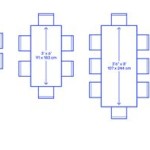
Selecting the right size and shape of the dining table is crucial for ensuring that it fits comfortably within the available space. Consider the number of people who will typically be using the table and choose a size that can accommodate them comfortably. Round tables are a good choice for smaller spaces, while rectangular tables are better suited for larger dining rooms.
Choosing chairs that complement the table and the overall design aesthetic is essential. Consider the materials, colors, and styles of the chairs and ensure that they coordinate with the table and the surrounding décor. Mixing and matching different chair styles can add visual interest, but it's important to maintain a sense of cohesion.
Adding personal touches through accessories and décor can help create a more inviting and personalized dining space. Consider adding a rug, a pendant light, artwork, and other accessories that reflect personal style. These details can help to tie the space together and create a cohesive and harmonious look.
The enduring appeal of Mid-Century Modern dining tables and chairs lies in their ability to blend timeless design with functional practicality. Their clean lines, organic forms, and emphasis on natural materials create a sophisticated and versatile aesthetic that complements a wide range of interiors. By understanding the defining characteristics of these pieces and carefully considering how to integrate them into modern spaces, homeowners can create dining areas that are both stylish and functional for years to come.
The investment in authentic Mid-Century Modern pieces is often seen as a financial decision as well as a design choice. These pieces, particularly those from renowned designers and manufacturers, tend to hold their value and, in some cases, appreciate over time. This makes them a desirable option for collectors and design enthusiasts.
Ultimately, the enduring popularity of Mid-Century Modern dining tables and chairs is a testament to its timeless design principles and its ability to seamlessly integrate into contemporary living spaces. Whether chosen for their aesthetic appeal, their functional design, or their investment potential, these pieces remain a cornerstone of modern interior design.

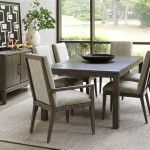
Mid Century Expandable Dining Table 39 92 West Elm

Mid Century Modern Dining Table Designs For You Designcafe

Lacoo Pre Assembled Mid Century Modern Dining Chairs Set Of 4 Multiple Colors Com

Woodmark Mid Century Modern Dining Table Set

10 Best Mid Century Modern Dining Chairs Nordic Style Brown Dini Room Design

Extra Deep Mid Century Expandable Dining Table 72 92 Acorn West Elm

Get The Look Mid Century Modern Dining Room

10 Perfect Mid Century Modern Dining Chairs Royal Blue Moderne Stühle Esstisch Design Esszimmertisch

51 Mid Century Modern Dining Tables For A Timeless Room Refresh

7pc Newington Mid Century Dining Set Walnut Mocha Lifey Target